

In 2019, only 58% of law firms were using cloud technology. By 2024, that number had jumped to nearly 75% — a clear sign that the legal industry is rapidly moving away from traditional, on-premise systems to cloud-based legal practice management software.
If you’re a solo attorney or running a law firm and you’re serious about scaling your practice using cloud technology, then this blog is your blueprint.
In the next few minutes, you’ll discover how the best cloud-based legal practice management software of 2025 can elevate your operations from a solid 5 to a thriving 10, boost productivity, streamline case management, and keep you ahead of competitors who are already embracing AI-powered legal tech.
How Cloud Technology Improves Efficiency and Security in Law Practices
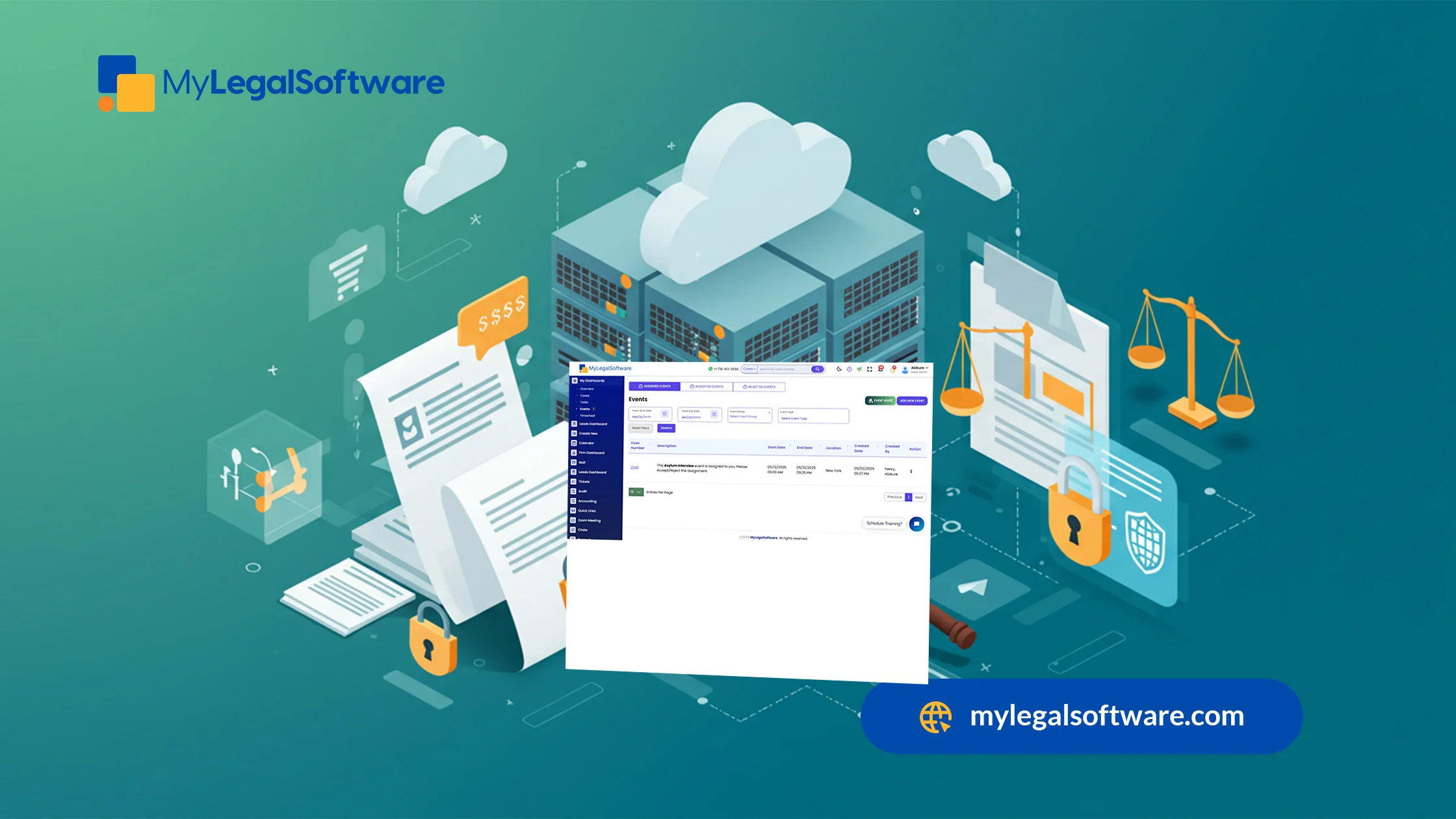
Cloud technology has improved operations in over 75% of law firms, and yours could benefit as well. With three out of four attorneys now relying on cloud computing for work-related tasks, the advantages go beyond convenience. Here are a few ways it could improve the efficiency and security of your firm:
1. Streamlined Case Management
With cloud-based legal practice management software, all your case files, court dates, and client communications are stored in one central, easily searchable location. This means no more digging through physical folders or chasing down missing documents. A quick search can pull up anything you need in seconds, whether you’re in the office, in court, or working remotely.
2. Real-Time Collaboration
Cloud technology makes it possible for your entire legal team to collaborate on cases in real time. Updates to a document or case file are instantly reflected for everyone, preventing version mix-ups and saving hours of back-and-forth emails. This is especially useful for multi-location law firms or attorneys who work with external partners.
3. Enhanced Data Security
Client confidentiality is the backbone of legal work. Modern cloud solutions use bank-level encryption, multi-factor authentication, and secure backup systems to protect sensitive data. Unlike traditional on-premise systems, where a single hardware failure can cause data loss, cloud providers maintain redundant backups, ensuring your files are safe even in the event of system outages or cyberattacks.
4. Greater Accessibility and Flexibility
Whether you’re reviewing case notes on your tablet in court or accessing client contracts from home, cloud systems give you secure access from anywhere with an internet connection. This flexibility not only boosts productivity but also improves work-life balance for busy attorneys.
5. Cost Savings and Scalability
Switching to the cloud eliminates the need for expensive servers, constant IT maintenance, and significant upfront infrastructure investments. Plus, cloud services can scale up or down depending on your firm’s needs, making them ideal for both small practices and large firms.
Top AI-Driven Features in Modern Legal Practice Management Tools
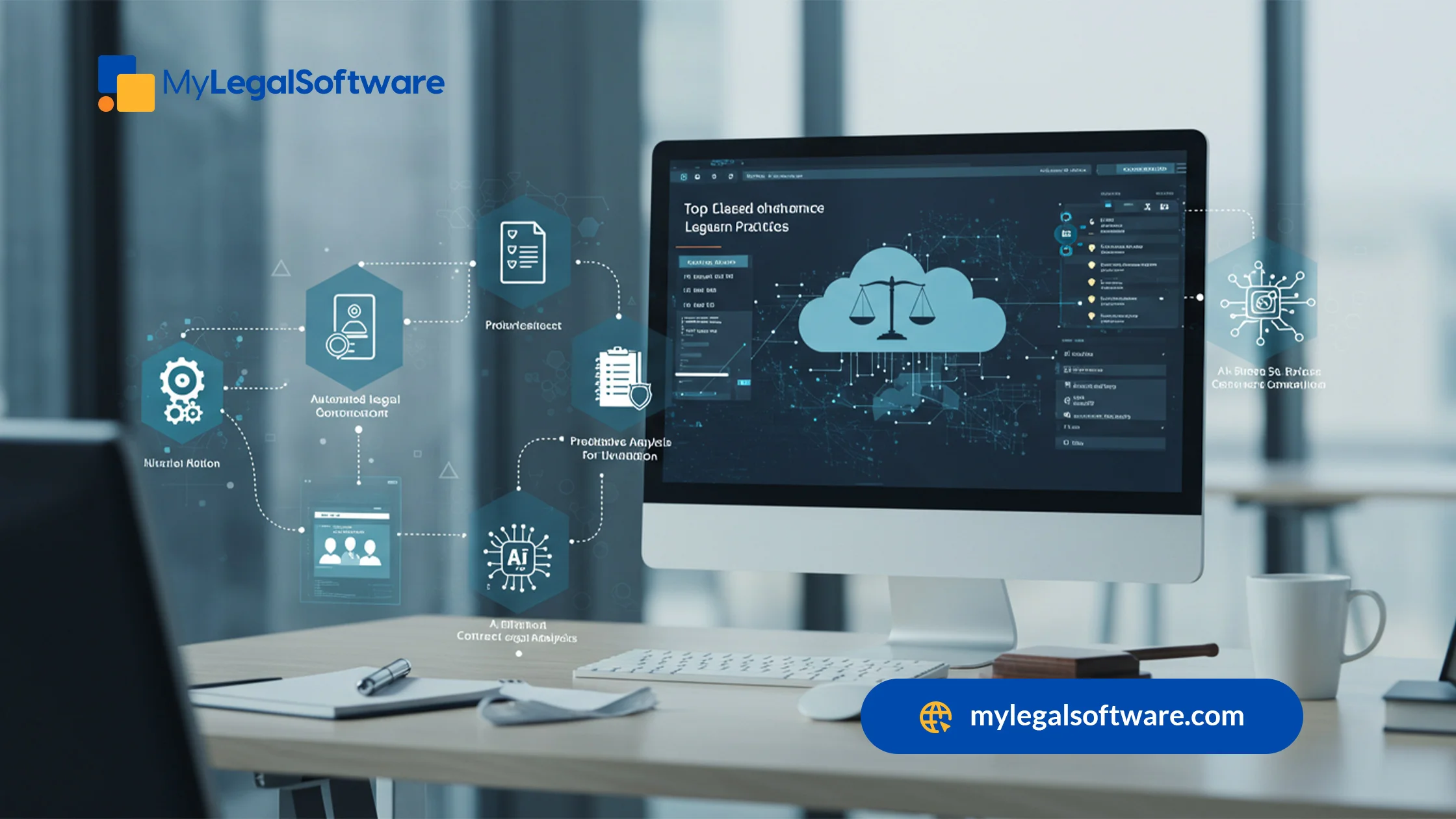
What if the smartest member of your legal team isn’t just a person, but your software? Today’s cloud-based legal practice management tools are packed with AI-driven features that don’t just make work easier—they’re rewriting the rules of how law firms operate. So, here’s a look at some of these features:
- Automated Document Drafting & Review – Imagine drafting contracts, pleadings, or letters in a fraction of the time. AI in cloud-based legal practice management software helps you create and review documents quickly, reducing human error and freeing up hours you can spend on higher-value legal work.
- Predictive Case Outcomes – With access to historical case data, AI can give you insights into the likelihood of winning or settling a case. This means you can make informed, strategic decisions instead of relying on guesswork—giving you an edge in negotiations and courtroom preparation.
- Smart Legal Billing – Say goodbye to billing headaches. Cloud-based legal billing software with AI automatically tracks billable hours, generates accurate invoices, and even flags discrepancies before they become a problem—helping you get paid faster and maintain client trust.
- AI-Powered Client Intake – Cloud-based client intake software for legal firms streamlines the onboarding process for new clients. It collects, organizes, and verifies client information automatically, so nothing slips through the cracks and you start the case off on the right foot.
- Advanced Legal Research Tools – Instead of spending hours sifting through case law, AI-driven research tools instantly surface the most relevant precedents and rulings. You get precise answers faster, leaving you more time to focus on crafting winning arguments.
- Integrated Compliance Monitoring – Never miss a deadline or overlook a rule again. AI tracks jurisdictional requirements, ethical standards, and key dates in real time so that you can stay compliant without constant manual checks.
The best part is that these AI capabilities are available in the best cloud-based legal practice management software on the market, and the next question you should be asking is, “What’s the best? Keep reading; your answer is just a few sentences below.
Essential Factors to Consider Before Choosing a Cloud-Based Legal Platform

When selecting a cloud-based legal platform, it’s not just about what the software can do—it’s about how it makes your work faster, safer, and more profitable. Here are the key things to look out for and the benefits they bring to your practice:
- Security & Data Protection – A platform with robust encryption, multi-factor authentication, and secure backups keeps sensitive client data safe, protecting your firm’s reputation and ensuring compliance with legal ethics rules.
- Ease of Use & User Training – Intuitive interfaces and built-in tutorials mean your team spends less time wrestling with software and more time serving clients, boosting overall productivity.
- Integration with Existing Tools – Choosing a platform that seamlessly connects with your case management, billing, and research tools eliminates manual data entry and reduces costly errors, making workflows smoother.
- Scalability for Firm Growth – A platform that can handle increasing case loads, more team members, and evolving needs ensures you won’t have to migrate systems later, saving you from expensive downtime.
- Reliable Customer Support – Quick, knowledgeable support minimizes disruptions when issues arise, so your cases keep moving forward without costly delays.
- Compliance with Jurisdictional Rules – Platforms that automatically align with local and international legal requirements help you avoid penalties and maintain your firm’s professional standing.
- Mobile Accessibility – Cloud-based platforms that work seamlessly on mobile devices give you the freedom to access files, communicate with clients, and manage cases from anywhere, increasing responsiveness and client satisfaction too.
How To Choose The Best Cloud-Based Legal Practice Management Software for Law Firms in 2025
Choosing the best cloud-based legal practice management software isn’t just a tech decision; it’s about finding a system that supports your practice, saves you time, and keeps your clients happy. You don’t want to waste hours testing every cloud-based option out there before finding the right one. That’s where this guide comes in—to help you narrow your choices and confidently pick the perfect software for your firm in 2025.
1. Define Your Firm’s Needs
Don’t just list features—prioritize them. For example, if your firm handles high-volume cases, you might need bulk document upload and automated deadline tracking more than advanced marketing tools. Write a “must-have” vs. “nice-to-have” checklist before searching.
2. Check Security Standards
Legal data is sensitive, so your software should have end-to-end encryption (like Mylegalsoftware or MyCase) and multi-factor authentication. Also, confirm it’s compliant with laws like GDPR or HIPAA if you handle international or medical-related cases.
3. Look for Integrations
If you already use QuickBooks for accounting or DocuSign for contracts, your cloud software should sync with them to avoid duplicate work. This ensures smooth workflows instead of juggling multiple disconnected tools.
4. Test Before You Commit
Sign up for a 30-day trial (just like the one MyLegalSoftware has) and run a real client file through the system. See if you can log a time entry, send an invoice, and share documents in under 10 minutes. If the learning curve feels like climbing Mount Everest, it’s a red flag.
5. Consider Scalability and Support
If you plan to expand from 5 to 15 lawyers, ensure the platform allows adding users without huge price jumps. Also, check if support is 24/7 live chat or only email. Immediate help can be the difference between meeting or missing a deadline.
Cut Costs. Save Time. Focus on Winning Cases.

Running a law firm isn’t just about winning cases—it’s about making sure every part of your operation works like clockwork. With MyLegalSoftware, you can store and access files from anywhere, track cases in real time, manage client communication with ease, automate repetitive tasks, and keep sensitive data secure—all without the headaches of outdated systems.
So, if your law firm is still relying on outdated systems, what are you waiting for? They’re slowing you down and costing you money. There’s no better time than now to switch to a cloud-based legal practice management software that actually works for you. Start your 30-days free trial with MyLegalSoftware today.
FAQs
-
Is cloud-based legal practice management software secure?
-
What are the benefits of cloud-based legal case management?
-
How do I move my law firm to cloud-based legal software?
-
Which is the best cloud-based legal practice management software in 2025?
-
Does cloud-based legal software support trust accounting?
Yes, reputable vendors use SOC2/ISO standards, encryption, and audit trails; security is strong when you verify vendor docs and configure controls properly.
Faster access to case files, improved collaboration, automated billing, and easier integrations with AI and document tools.
Plan, pilot, secure, train, then scale — migrate a small set of matters first and validate billing/trust workflows.
There’s no single “best” — choose the platform that fits your firm’s priorities (accounting, document management, litigation features, or integrations).
Many platforms support trust accounting, but you must confirm features and bank integrations before migrating.