You’re juggling case deadlines, overseeing remote team communication, fielding client emails, and trying to get that aging server in the back office to behave. Your IT guy is on call more than your paralegal. And somehow, your data still feels vulnerable.
What if you could simplify your entire legal tech stack: ditch the hardware, automate updates, reduce downtime, and secure your client data without breaking your budget?
That’s exactly why more law firm IT professionals are moving to the cloud. If you’re still relying on outdated systems or duct-taped solutions, you’re missing out on a tech shift that’s saving firms time, money, and major headaches.
In this blog, we’ll break everything down. What exactly is the cloud, and why does it matter for your firm right now?
What Is the Cloud?
The cloud isn’t some abstract digital storage bank floating in cyberspace. It’s a network of remote servers that securely store, process, and deliver your data on demand, accessible from any device, anywhere.
For law firms, that means all your files, software, calendars, communications, and case updates can live in a centralized, encrypted system that updates automatically. No bulky hardware. No messy upgrades. No panic over a crashed server.
Cloud-based platforms allow you to scale effortlessly. Whether you’re a solo immigration attorney or running a litigation-heavy midsize firm, the cloud supports growth without the need to continually invest in on-site infrastructure.
Plus, cloud providers often come built with security protocols that exceed what most firms can afford to maintain in-house. These include bank-level encryption, access controls, audit trails, and real-time backups, all baked into the platform.
It’s smarter, safer, and built for the agility your practice demands.
Reasons Law Firms Are Moving to the Cloud
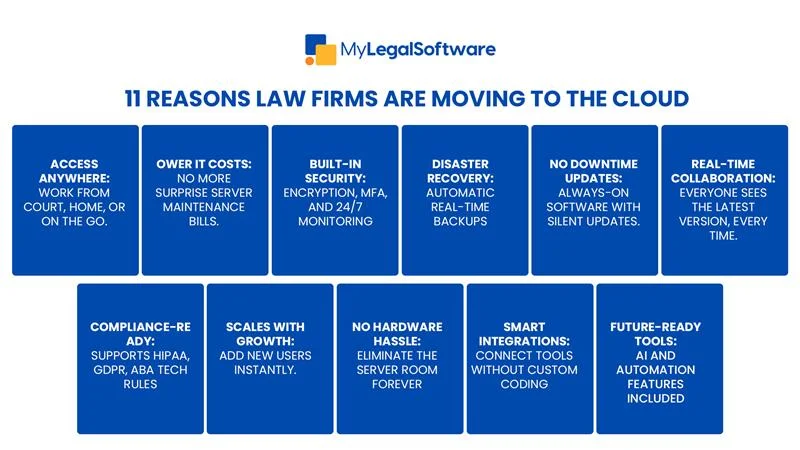
Cloud technology isn’t just a trend; it’s the new foundation for modern legal operations. These 11 reasons explain why so many firms are making the change:
1. Access Your Practice Anytime, Anywhere
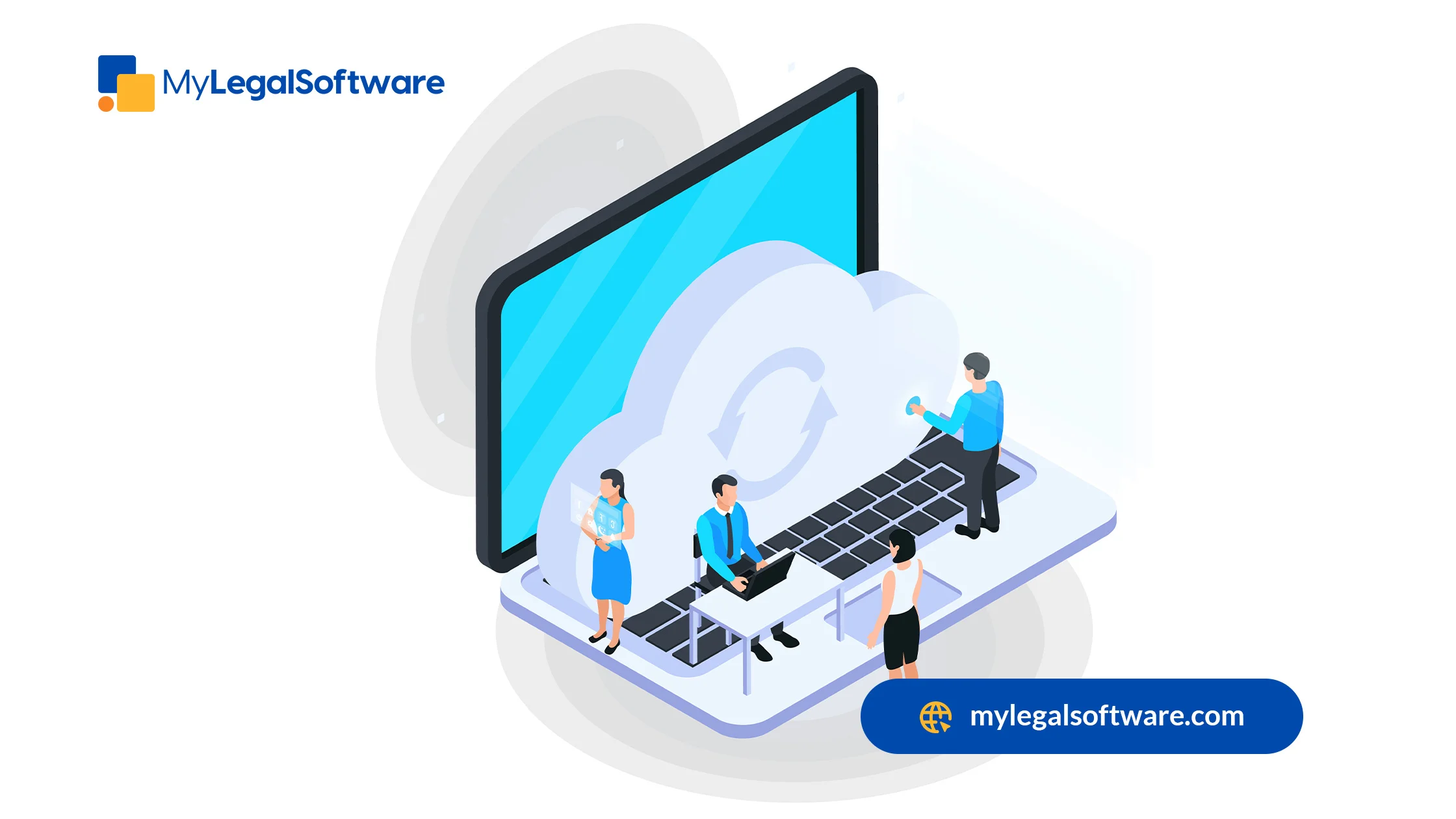
Gone are the days of being chained to your desk or your firm’s local server. With the cloud, you can securely access your full legal practice from any device, anywhere in the world.
Your case files, client notes, and deadlines are all a click away, whether you’re in court, on vacation, or simply working from home. That kind of flexibility is essential in today’s legal practice.
2. Reduce Your IT Headaches (and Budget)
On-site hardware, servers, and dedicated IT teams cost serious money and headaches, instead of solutions. Cloud platforms eliminate the need for constant maintenance, hardware upgrades, and emergency fixes.
Most providers handle the backend for you, which means fewer surprise invoices and more predictable IT costs every month. It’s like hiring a full IT team without the payroll burden.
3. Keep Your Data Safer with Built-In Security
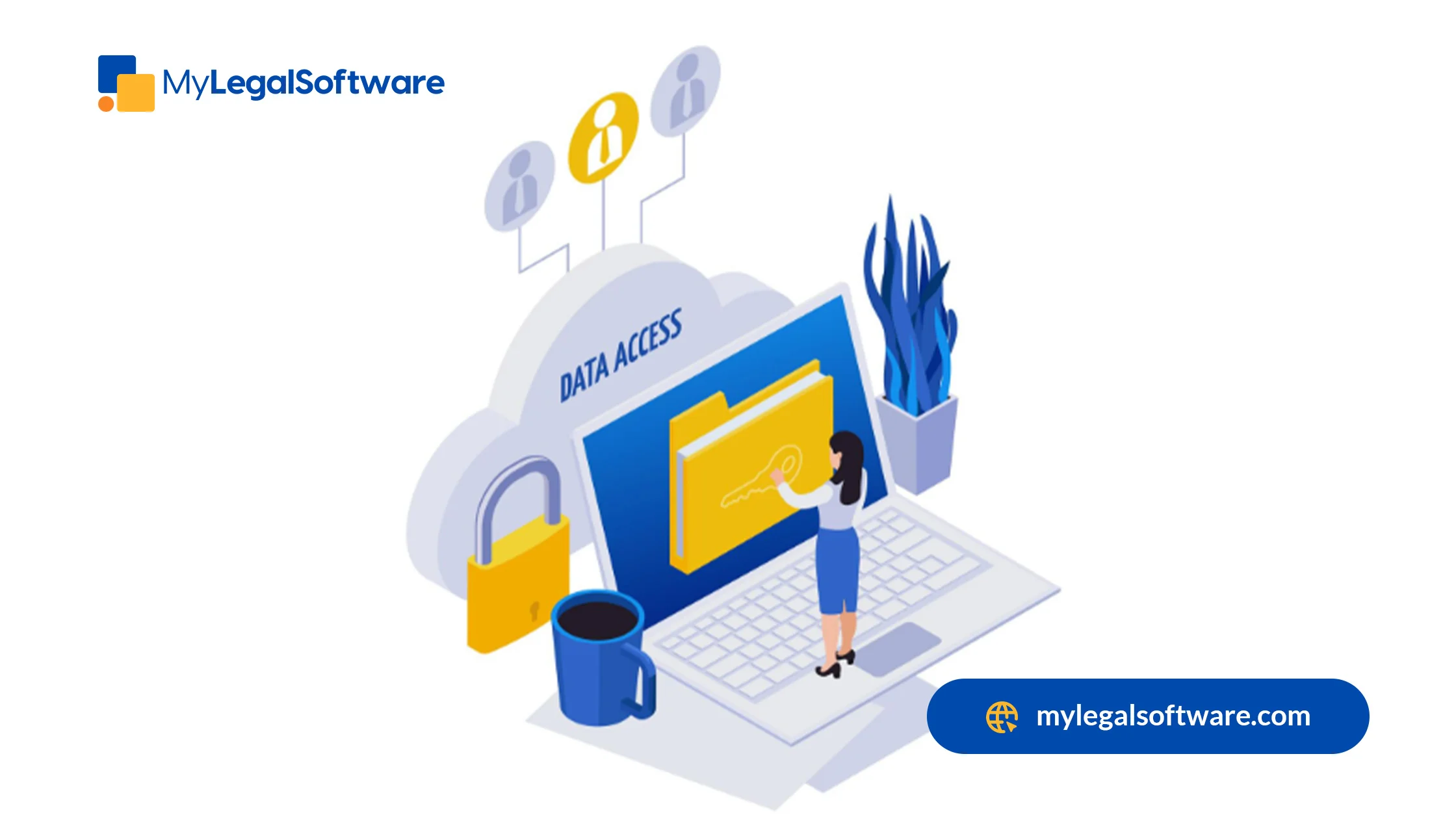
Security is non-negotiable in legal practice, and cloud systems take that seriously. Most offer enterprise-grade encryption, role-based access, multi-factor authentication, and 24/7 monitoring.
Unlike local systems that can be breached or damaged physically, cloud platforms protect your data in real-time. Strong data security drives client trust and firm integrity.
4. Easy Scalability as Your Firm Grows
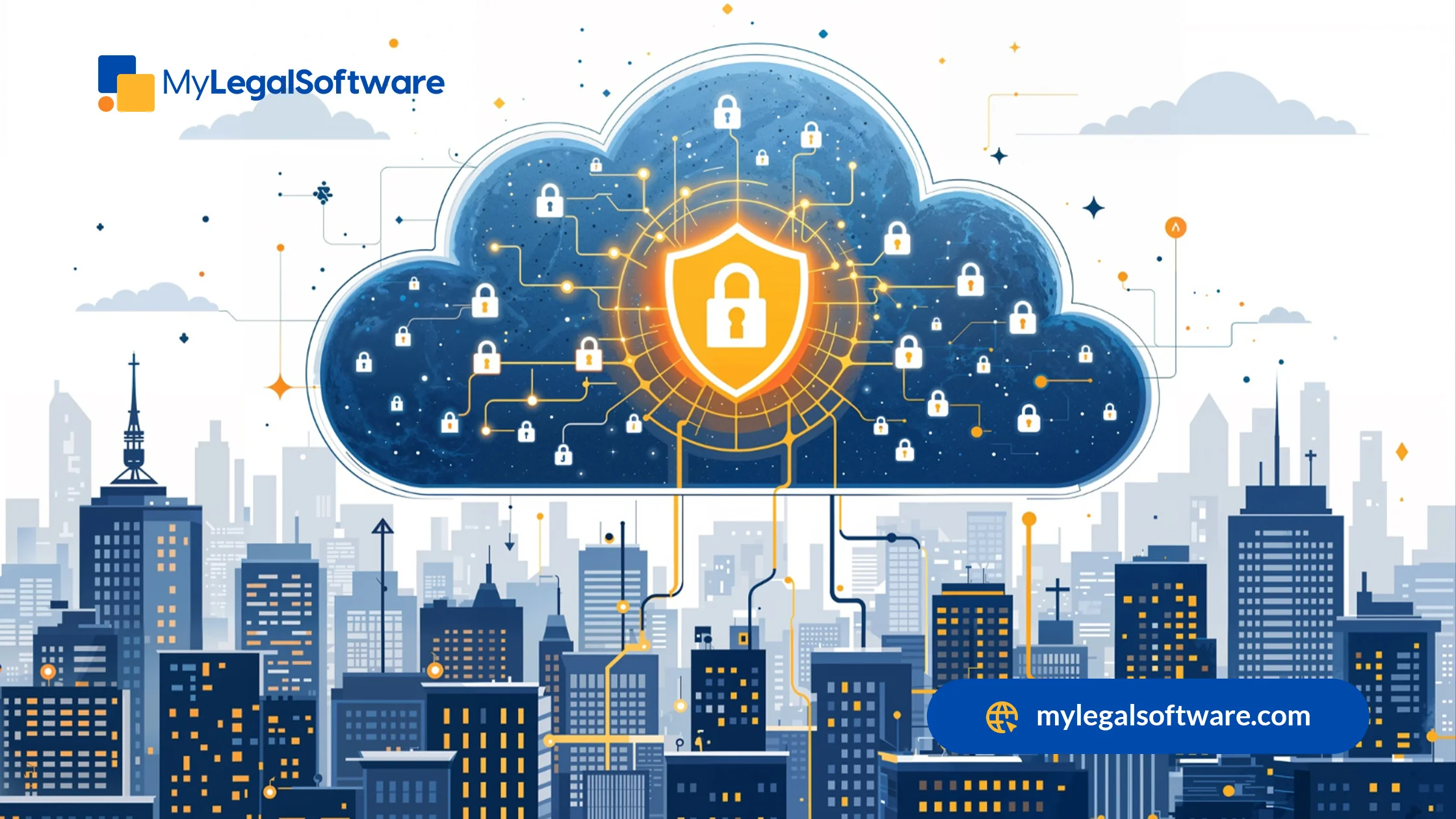
Whenever you’re hiring new associates or expanding your practice areas, it’s important to scale your system. For on-premises facilities, scaling on-premises hardware means buying new servers, licensing software, and upgrading storage.
With the cloud, scaling is as easy as upgrading your subscription plan. You only pay for what you need, and when your needs change, the system adapts instantly. That means no tech growing pains slowing your firm down.
5. Real-Time Collaboration with Your Legal Team
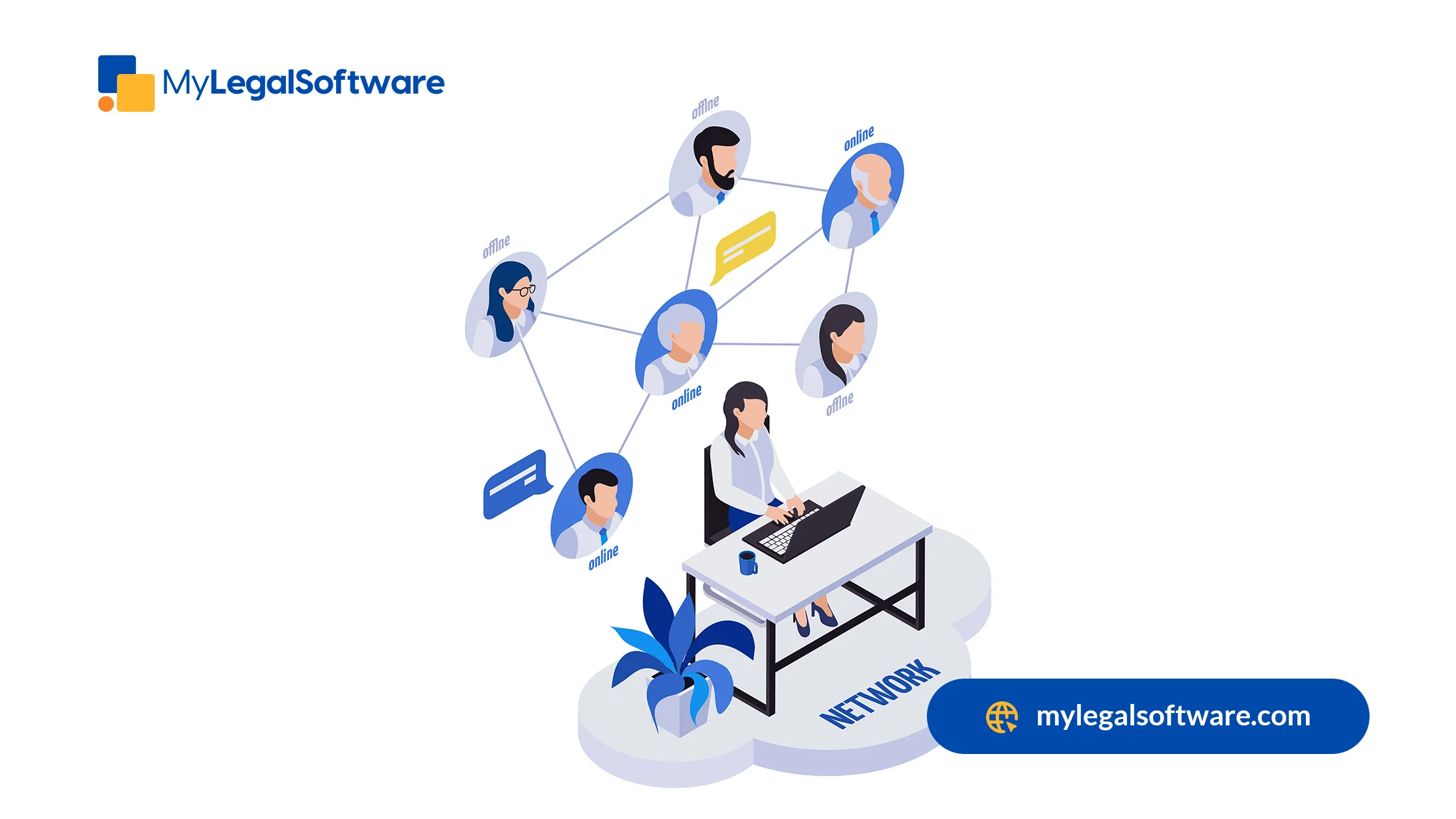
Your firm’s best work depends on clear communication and collaboration. Cloud platforms allow multiple users to work on the same case file, review updates in real-time, and access a shared dashboard.
The cloud keeps everyone on the same page—literally, whether your team is in-office, remote, or hybrid. That means faster responses, smoother case progress, and fewer costly miscommunications.
6. Better Disaster Recovery and Business Continuity
Unplanned, unforeseen events and accidents happen. Your office may flood. Your server may crash. Your laptop may get stolen. With traditional systems, that’s a disaster. With the cloud, it’s a minor inconvenience.
Cloud platforms automatically back up your data across secure servers in real-time, so your files are never truly lost. Business continuity is one of the hallmarks of cloud technology.
7. Built-In Compliance Support
Keeping up with evolving data regulations can be exhausting and risky. Leading cloud-based legal platforms offer features that help you meet legal and industry standards like HIPAA, GDPR, and ABA tech guidelines.
Instead of scrambling to interpret compliance rules, your software already supports them, helping you reduce liability while protecting your clients and your reputation.
8. Automatic Updates with No Downtime
On-prem systems require scheduled updates, upgrades, and downtime. The cloud doesn’t. Updates happen behind the scenes automatically and during off-hours, so your software stays current without interrupting your day.
No more waiting on IT to patch bugs or install security fixes. You just log in and get to work.
9. Integrations That Actually Work
Cloud-based tools are built to integrate cleanly, efficiently, and without custom coding. You’ll spend less time toggling between tools and more time doing actual legal work. That means less frustration and more automation where it matters most.
10. No More Server Maintenance or Hardware Upgrades
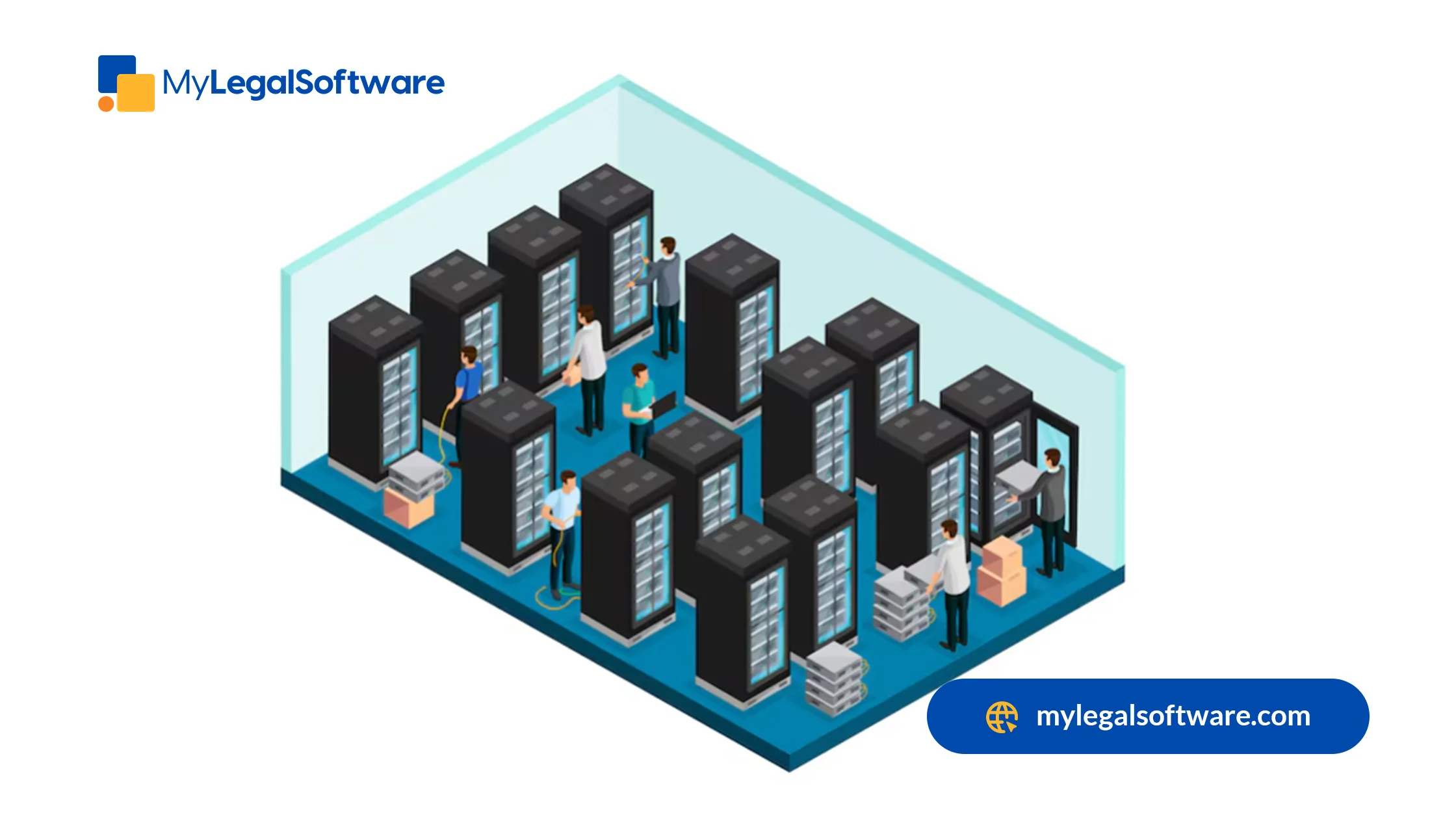
Maintaining servers is expensive, unpredictable, and totally avoidable. When your systems live in the cloud, you ditch the costs (and panic) of repairing, replacing, or expanding physical hardware. There are no server rooms to cool, no cables to replace, no tech emergencies to stress over. It’s all handled for you.
11. Future-Proof Your Law Firm with Smart Tools

If you’re planning to grow or just survive the next decade, you need tech that evolves with your practice. Cloud platforms roll out new features regularly, based on real-time user needs. From AI tools and smart templates to analytics dashboards, cloud-based legal software positions your firm for the future, not the past.
The Cloud Isn’t the Future; It’s the Present
If your firm’s systems are slow, clunky, or constantly breaking, you’re not just wasting time; you’re losing money and your peace of mind. But instead of rushing into a full-scale migration overnight, take the time to explore and select a cloud-based legal case management platform that truly fits your firm’s needs. The solution you need is MyLegalSoftware.
Built with cloud-native architecture designed for modern law firms, MyLS brings your cases, tasks, billing, and files into one streamlined, secure dashboard. Try it free for 14 days and experience how much time, clarity, and sanity you can reclaim.
Your law firm doesn’t have to run on outdated systems or old-school rules. The cloud gives you flexibility, resilience, and the tools to build a firm that works for you.
Frequently Asked Questions
-
Is cloud software secure enough for confidential legal data?
-
What’s the biggest difference between on-premises and cloud-based platforms?
-
How much does it cost to move my law firm to the cloud?
-
Can I still control who accesses sensitive information in a cloud-based system?
-
Will switching to cloud software disrupt my current workflow?
Yes, leading cloud platforms use bank-level encryption, access controls, and real-time monitoring to keep data safe.
Cloud systems offer flexibility, scalability, and built-in security, without the cost or hassle of maintaining servers.
It varies by provider, but many providers offer monthly subscriptions that are cheaper than maintaining hardware or a full IT staff.
Absolutely, you can set role-based permissions to ensure that the right people see only what they’re authorized to access.
A good provider offers seamless onboarding, training, and data migration to minimize disruptions and speed up adoption.