Did you know that a law firm newsletter can deliver serious results, especially when email marketing gives up to $36 return for every $1 spent for some companies? This makes it the highest ROI marketing channel for some. If you’re a solo attorney, in-house marketer, or part of a growing firm, a well-done email newsletter isn’t just a marketing checkbox—it’s your chance to stay at the top of the mind of your audience, build trust with them over time, and position your firm as the one clients turn to when they need help or need your services.
But here’s the thing: most law firm newsletters miss the mark. They’re either too formal, too boring, or too inconsistent to make an impact, and that is probably why your law firm newsletter isn’t delivering the results you want it to.
In this guide, we’ve got you totally covered! We’ll break down the exact tips, engaging content ideas, and examples that can help you craft newsletters your audience actually wants to open.
What Is a Law Firm Newsletter?

A law firm newsletter is a recurring email communication sent to clients, leads, or subscribers. It typically includes legal insights, firm news, case studies, tips, and resources relevant to your audience.
When done right, it becomes more than just a marketing tool; it sparks an ongoing conversation between your law firm and your clients, building the kind of trust and familiarity that keeps your firm the go-to even long after the first case is closed.
Why Send a Newsletter as a Law Firm?

The present reality is that your clients can forget your firm, not because you’re not good enough, but because you’re silent; that’s why in today’s crowded legal space, visibility matters just as much as skill. A well-timed, thoughtful newsletter keeps you top-of-mind long after a case closes—building trust, sparking connection, and turning past clients into lifelong advocates.
Law Firm Newsletter Content Ideas That Engage, Educate and Convert

What if 30% of your clients could come from your email list?
That’s not wishful thinking—it’s a possibility when your law firm newsletter delivers the kind of content people actually want to read. And to get there, it’s not about writing more—it’s about writing smarter and consistently.
Here are engaging content formats you can consistently rotate in your law firm newsletter that can position you as a go-to expert:
1. Foundational Formats
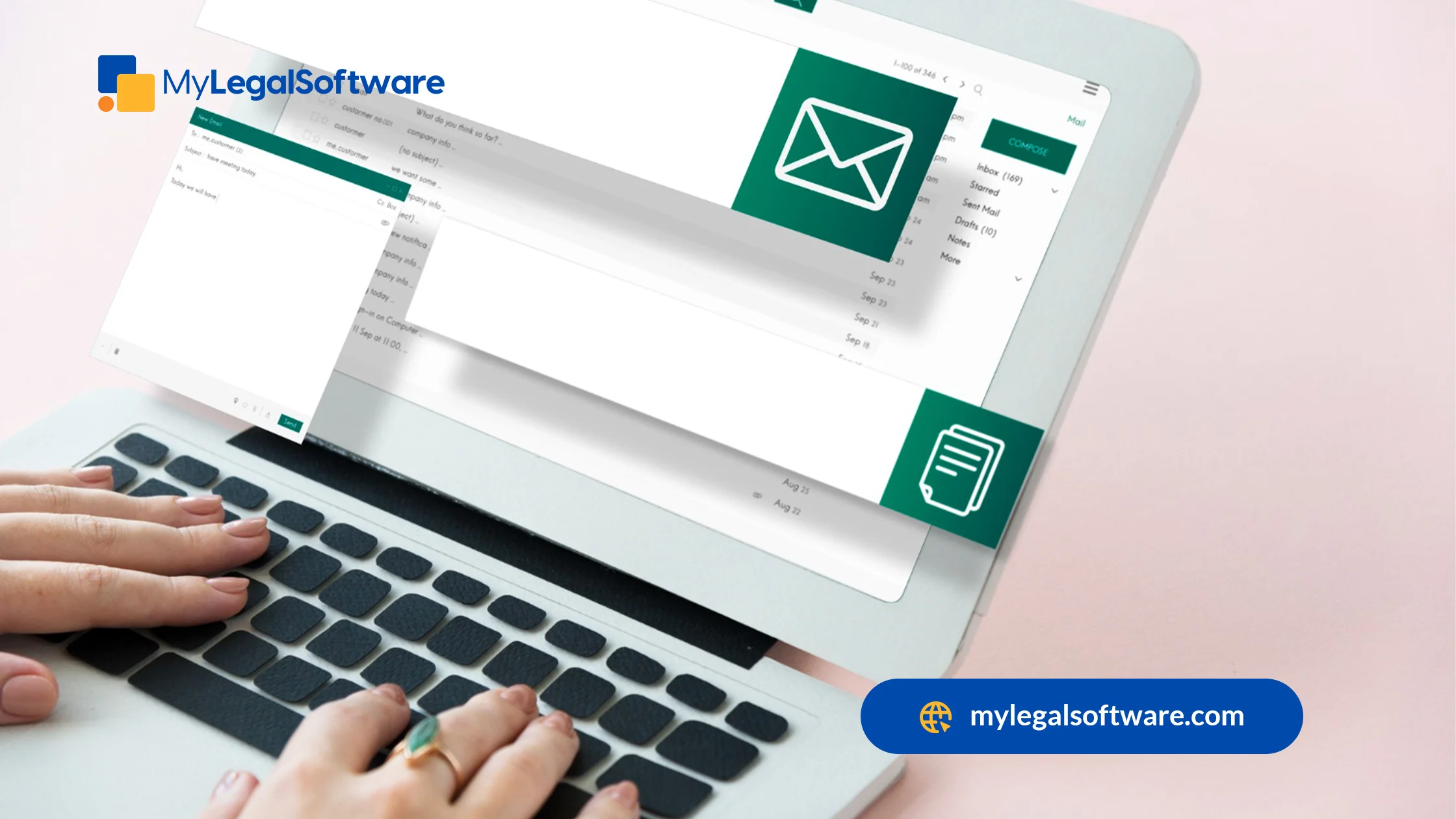
Core content every law firm newsletter should include.
- Legal Tips & FAQs – Bite-sized insights on common legal concerns.
- Attorney Spotlights – Humanize your firm with mini-profiles of your team.
- Recent Case Law or Policy Updates – Keep readers informed on changes that may impact them.
2. Educational Formats
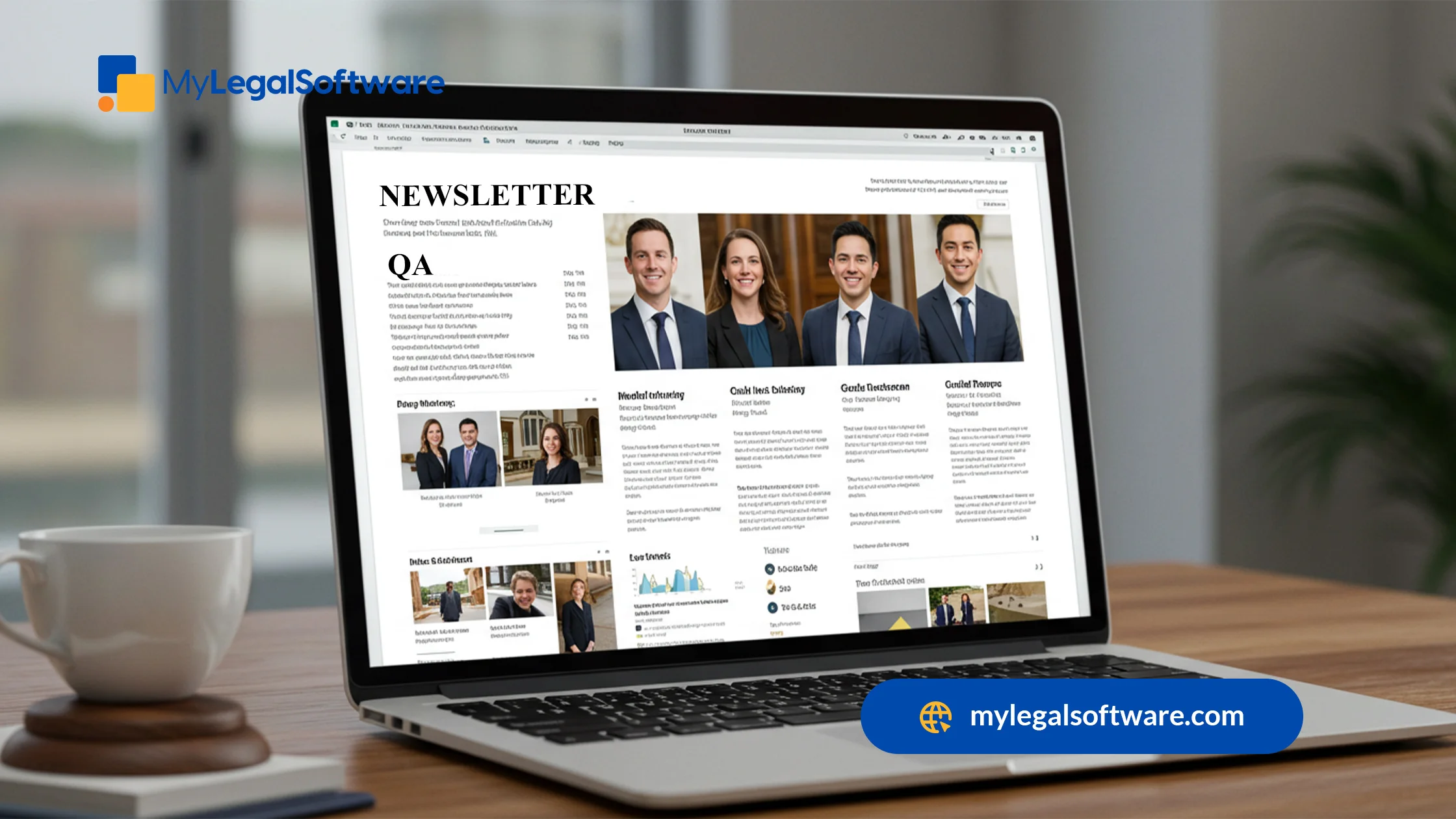
Simplify the law for everyday understanding.
- “Explained Simply” Series – Break down complex legal topics into plain, helpful language.
- “Do I Need a Lawyer If…?” – Common situations people are unsure about, answered clearly.
- Legal Timeline – Walk readers through what to expect in legal processes like divorce, immigration, or business registration.
3. Seasonal & Timely Formats
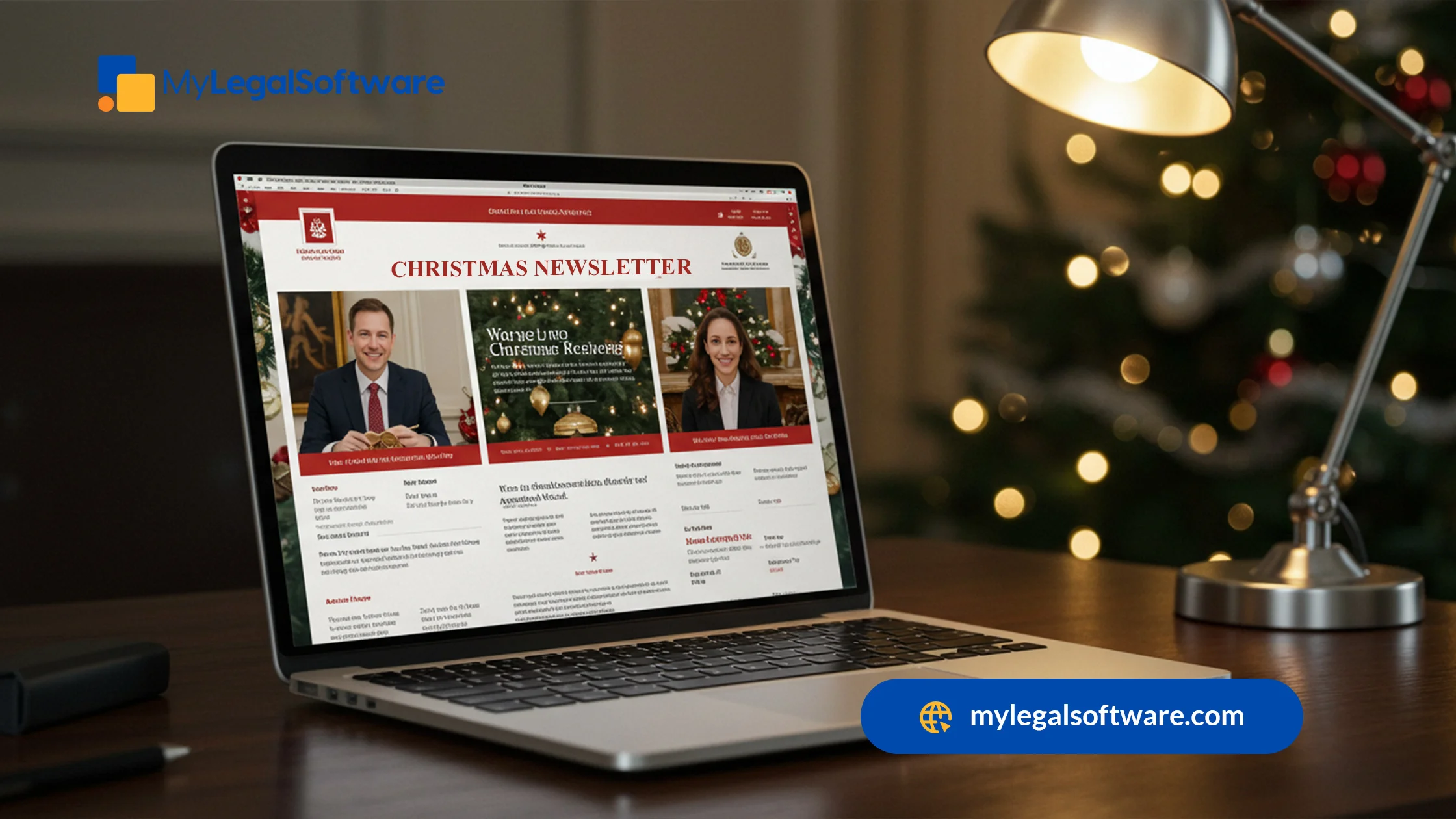
Stay relevant with time-sensitive insights.
- Tax Season Legal Prep – Tips for business owners, freelancers, or individuals.
- Holiday Legal Planning – Estate, custody, or travel-related legal tips during festive seasons.
- Back-to-School Tips for Parents – Address custody rights, school policy issues, or education law/ immigration law regarding students.
With the right content mix, your law firm newsletter can become a trusted resource, not just another email. Focus on relevance, consistency, and value to turn readers into loyal clients.
Proven Tips for Creating a Law Firm Newsletter That Actually Gets Read
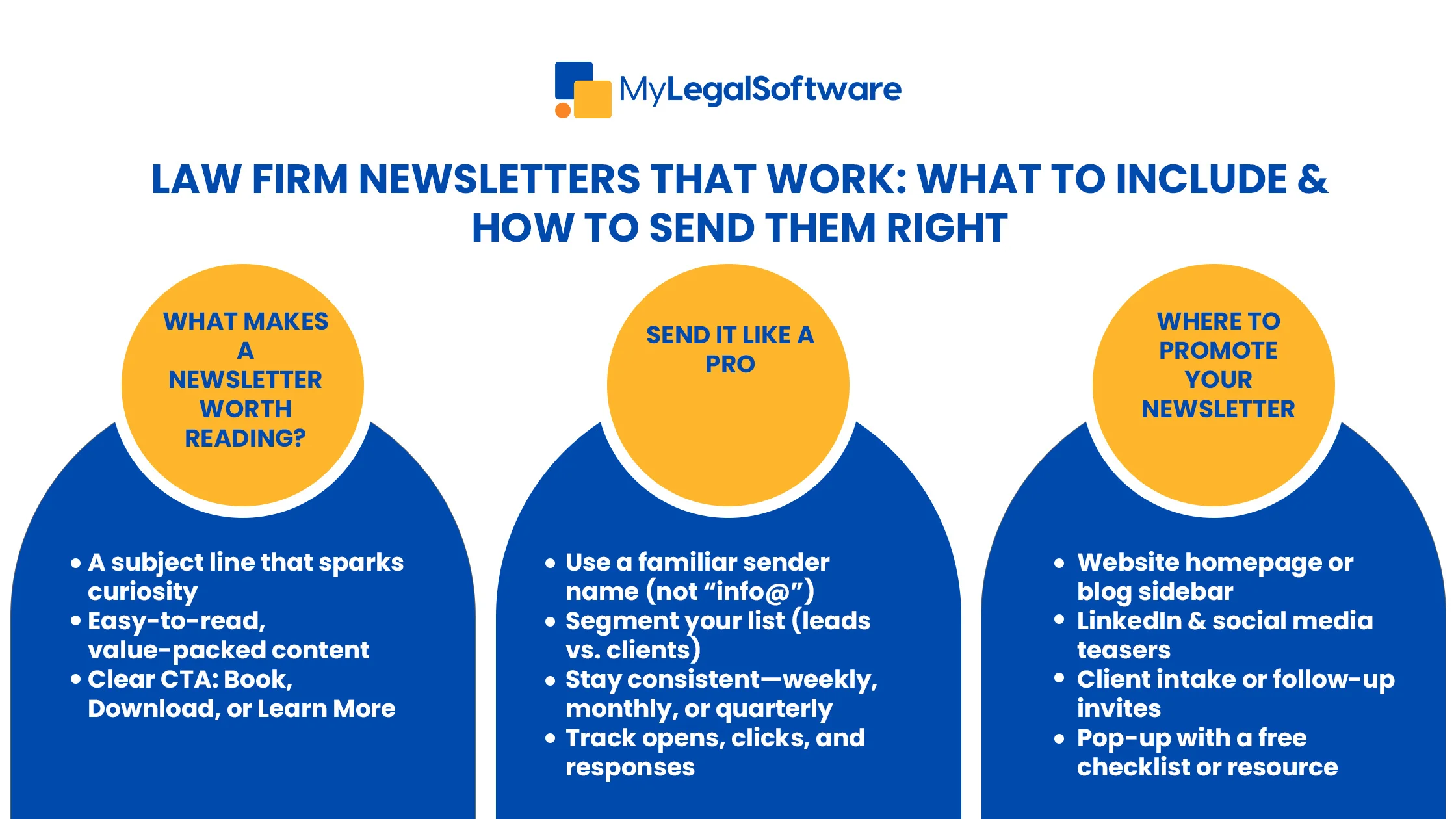
If you’re sending newsletters that go unopened, or worse, straight to spam, it’s likely not your fault alone. Most law firms approach newsletters like formal announcements when, in reality, today’s readers expect personality, clarity, and value-packed content. These tips will help shift your newsletter from a legal notice into a client magnet.
1. Lead With a Strong Subject Line
Think of your subject line as the headline of your case. It must grab attention quickly. Avoid vague titles like “Monthly Legal Update” and try specific, curiosity-driven options like “Will This New Law Affect Your Property?”
2. Start With Value, Not Your Firm
Instead of beginning with “Welcome to our monthly newsletter,” dive straight into what matters to the reader—legal insights, answers to real questions, or a quick story with a lesson. Position your firm as helpful, not self-promoting.
3. Keep the Tone Conversational Yet Professional
You’re writing to people, not robots. A friendly, clear tone with simple explanations will always outperform jargon-heavy legal writing. Aim for clarity over complexity.
4. Use One Clear Call-to-Action (CTA)
Whether it’s “Book a Free Consultation,” “Read the Full Case,” or “Download the Guide,” each newsletter should have one clear next step. Too many links create confusion and reduce conversions.
5. Maintain a Consistent Schedule
Send your newsletter monthly or bi-weekly—whatever cadence you can sustain without sacrificing quality. Regularity builds familiarity and trust over time.
6. Test and Track What Works
Use your email platform to measure open rates, clicks, and unsubscribes. What subject lines perform best? What content gets the most engagement? Let data guide your strategy.
And there you have it—creating a standout law firm newsletter is all about clarity, consistency, and connection. But if you’re still unsure about where to start or need a bit of inspiration, we’ve got you covered.
Sign up for our newsletter and feel free to steal a format idea, a tone, or even a section layout. We don’t just teach best practices—we use them. Sometimes, the best way to learn is to see it done well.
Examples Of Law Firm Newsletters

1. “Will this law affect your business?”
Subject line:
New Employment Law Could Affect Small Businesses in [Your State]
Header:
What Your Business Needs to Know About Senate Bill 216
Body:
A recent law passed in [State] requires all employers with more than 5 employees to revise their workplace discrimination policies by October 1st. Failure to comply could lead to penalties up to $15,000.
We’ve broken down what this means and how you can stay compliant—without legal headaches.
CTA Button:
Download the Free Compliance Checklist
2. “Is Your Free Speech at Stake?”
Subject Line:
TikTok Bans & Your Free Speech Rights: What You Should Know
Header:
Is the Government Overreaching Online? Let’s Talk First Amendment
Body:
With the federal government moving to restrict or ban TikTok over national security concerns, many users, especially small business owners and creators—are asking: Is this legal?
Here’s what you should know:
- The First Amendment protects free speech, but not all platforms are guaranteed that protection.
- Congress is using laws like the RESTRICT Act to regulate digital platforms linked to foreign governments.
- If you earn income or build your brand on social media, these legal moves could affect you more than you think.
We break it all down, what rights you do have, and what to expect next in our quick-read explainer.
CTA Button:
Read the Full Free Speech Breakdown
These 2 are mini examples of what your newsletter could look like, you could steal a tip or two from their structure.
Newsletter Marketing for Law Firms: Distribution Tips
Creating good content is half the job. You can have the most helpful, well-designed newsletter in the world, but if no one sees it, it won’t move the needle. That’s where smart newsletter marketing comes in.
The goal is simple: get the right people to subscribe, stay engaged, and take action. Here’s how to effectively market your law firm’s newsletter without feeling salesy:
- Promote sign-ups on your website: Your website is prime real estate. Add opt-in forms to your homepage, blog sidebar, and even on your contact page. Make the value clear—what will subscribers get? Legal tips? Updates? Free resources? Tell them why it’s worth signing up.
- Leverage social media: Turn your newsletter content into teaser posts on LinkedIn, Facebook, or even Instagram. For example: “In this week’s newsletter, we broke down 3 common landlord-tenant mistakes—want the full breakdown? Subscribe here.” This drives curiosity and builds awareness.
- Ask clients directly: During client intake or follow-up calls, mention your newsletter as a way to stay updated on legal changes or get answers to common questions. A personal invitation feels warm and intentional—and is often more effective than any pop-up.
- Use pop-ups or slide-ins: Offer a valuable freebie (like a legal checklist or quick-start guide) in exchange for an email address. These “lead magnets” work especially well when they’re tied to a topic your visitor is already exploring on your site.
- Track open rates, click-throughs, and responses: Don’t just send—analyze. Keep an eye on key email metrics to see what topics resonate, which subject lines work, and where readers drop off. Use that insight to fine-tune your strategy over time.
Good content needs good promotion. By meeting your audience where they are—on your site, in your office, and on social media—you can steadily grow a healthy, engaged email list that turns casual readers into loyal clients.
How Often Should a Law Firm Newsletter Be Sent?

If you’re wondering: How often should a law firm newsletter be sent? Then the answer is that—it depends. There’s no one-size-fits-all, but here’s a quick guide to help you choose the best schedule:
- Weekly newsletters: These work if your firm regularly produces content—like blog posts, legal alerts, or media commentary—and you want to stay top-of-mind. Keep them short, focused, and packed with value to avoid fatiguing your audience.
- Biweekly newsletters: These strike a balance between frequency and content load. Ideal for firms that want to stay consistent without being too demanding on internal resources.
- Monthly newsletters: Now, these are the sweet spot for most law firms. They offer enough time to curate meaningful updates and give your audience space to engage without feeling bombarded.
- Quarterly newsletters: Firms with limited resources or highly specialized areas can opt for these. As long as the content is rich and relevant, quarterly can still deliver strong results.
Consistency matters more than frequency. Choose a rhythm your team can maintain and always prioritize delivering value over volume.
Conclusion: Start Your Law Firm Newsletter the Right Way

Starting a law firm email newsletter might feel overwhelming, but with the right structure, content plan, and marketing strategy, it can become one of your most valuable marketing tools.
Focus on serving your audience first—what do they need to know, what would help them feel more informed, and what builds trust? Then use the right tools that fit you or your firm’s capacity. After that, track performance, and keep refining.
Because at the end of the day, great newsletters aren’t just about legal knowledge. They’re about connection.
So, if you’re an attorney, solo practitioner, or part of a growing firm, our newsletter is your backstage pass to doing it right.
We share actionable insights, timely legal news, exclusive invites to legal networking events, and irresistible offers—all curated specifically for our email audience who trust us to deliver only what’s truly valuable.
Join us; you won’t want to miss out on what’s coming next.
Frequently Asked Questions
-
How to create a newsletter for law firm clients?
-
What are some law firm newsletter content ideas?
-
Is newsletter marketing for law firms still effective in 2025?
Start by identifying your audience segments. Then choose a monthly schedule, brainstorm topics based on common client questions, and use an email platform like Mailchimp. Don’t forget to brand it with your firm’s tone.
Here are some law firm newsletter content ideas to use- Legal tips, FAQs, community events, client wins, case law updates, attorney spotlights, and myth-busting content.
Yes, especially when paired with educational value, engaging stories, and consistent delivery. It’s still one of the most cost-effective retention tools.