You’ve prepared for weeks. Every exhibit is in order, every witness ready. But halfway through the trial, the other party introduces an argument you didn’t see coming, and the judge seems to be leaning their way.
The problem is not that you missed something; it’s that you didn’t have the data to see it beforehand. That’s where legal predictive analytics changes the game. By analyzing past cases, rulin
legal trends, you can anticipate how a case might unfold, long before stepping into the courtroom. You can easily add another layer of foresight to your litigation strategy.
Across the profession, AI and predictive analytics in legal decision-making are giving lawyers a competitive edge. These tools can help you prepare for the arguments, evidence, and outcomes most likely to shape your client’s future.
What Is Legal Predictive Analytics?

Legal predictive analytics is the use of historical legal data to forecast how a case might play out. The process combines court records, prior judgments, legal filings, and other relevant data to identify patterns that may influence an outcome.
It’s like moving from educated guesswork to evidence-backed probabilities. You still need legal skill to win a case, but you now have clearer insight into what you’re up against and what’s most likely to work.
This is different from traditional research. You’re not only looking up statutes or precedent, you’re working with models that can tell you the chances of winning. You also get to know how certain judges tend to rule, and whether similar cases have ended in settlement or trial.
When applied to your litigation strategy, predictive analytics gives you an informed advantage, helping you prepare for both the expected and the unexpected.
Why You Should Care as an Attorney

Every decision in a case carries weight, especially when clients are looking to you for answers. Predictive analytics legal tools help you make those decisions with greater confidence.
From the start, these tools can estimate the strength of your case and its potential value. That insight shapes whether you recommend pushing forward, negotiating early, or exploring alternatives. As you prepare for trial, with predictive analytics, you can highlight the arguments, evidence, and case strategies that have historically performed best in similar circumstances.
The right data can prevent wasted effort on low-impact points and focus resources where they’ll make the biggest difference. In a world where clients expect quick, informed advice, AI and predictive analytics in legal decision-making have become an essential tool, especially for attorneys who want to stay competitive without burning themselves out.
Key Benefits in Litigation Strategy

Predictive analytics isn’t just about crunching numbers. It’s more about making smarter legal choices that give you an edge. Here’s where it makes the biggest difference:
- Case Outcome Forecasting – Models built on past cases can give you a percentage-based estimate of winning or losing, helping you decide where to focus your efforts.
- Settlement Leverage – If the numbers suggest a high chance of winning, you can negotiate from a stronger position, or settle strategically if the opposite is true.
- Jury Behavior Insights – In jury trials, data can reveal tendencies in certain regions, allowing you to adjust your arguments to fit the likely audience.
- Efficiency Gains – By knowing which legal arguments have the highest success rates, you avoid wasting time on those that would rarely work.
- Opponent Strategy Prediction – Reviewing a law firm’s past cases can give you a sense of the moves they’re likely to make.
- Cost Management – Clients appreciate accurate forecasts of legal costs and timelines, and predictive analytics can help you provide them.
- Risk Reduction – Spotting weaknesses early lets you fix them before they become problems in court.
In legal practice, predictive analytics can be powerful. In civil litigation, you can weigh whether to push for trial or settle based on projected award amounts. In criminal defense, historical sentencing data can show how a specific judge has ruled in similar cases.
For niche areas like bankruptcy litigation, predictive models can help forecast approval rates or recovery amounts. Even firms focusing on advanced litigation strategies can refine their plans using these insights, staying one step ahead in complex, high-stakes cases.
Integrating AI and Predictive Analytics in Legal Decision-Making
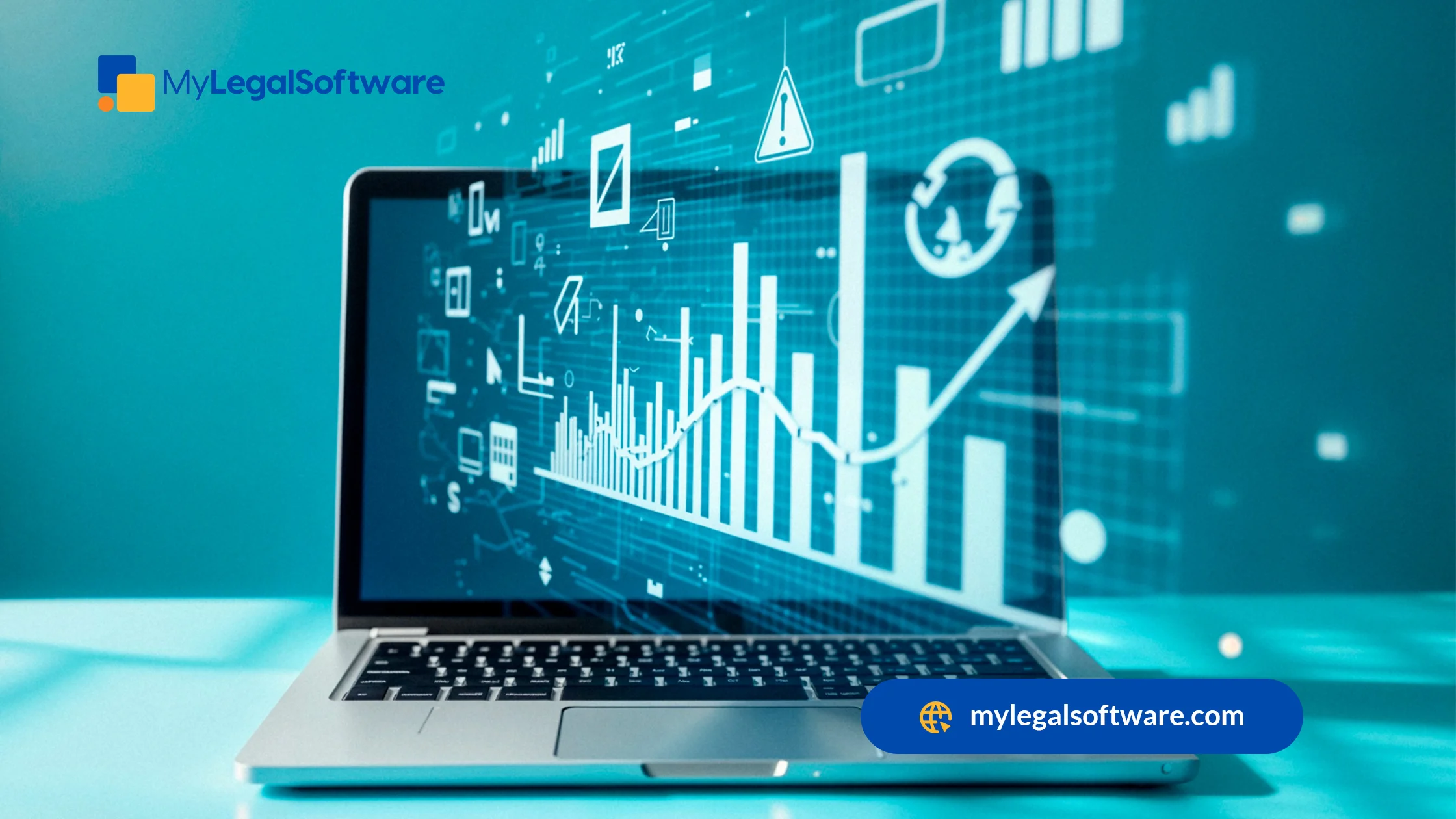
AI has taken legal predictive analytics to another level. While predictive models can analyze past cases on their own, AI speeds up the process and identifies patterns that might otherwise go unnoticed. This means you can strategize faster and work with more precise data.
For example, AI can process large volumes of court filings, witness testimony, and legal briefs to identify which arguments resonate most with specific judges. It can also highlight trends, like how certain motions tend to fare in a particular jurisdiction. This helps you fine-tune your litigation strategy well before trial.
However, these tools aren’t meant to replace your professional judgment. The data is only as good as the information it’s built on, and every case still has unique human factors. The best way is to use AI as a support system, blending it with practical insight.
Challenges and Ethical Considerations

As promising as predictive analytics is, it’s not without its challenges.
One of the biggest concerns is data bias. If the underlying case records are skewed, due to inconsistent reporting, unequal representation, or historical prejudice, the predictions may reflect those same biases.
There’s also the question of confidentiality. Feeding sensitive client data into a third-party tool without proper safeguards can expose you to serious ethical risks.
Another challenge is over-reliance. Even with the best models, unpredictable factors, such as a witness’s performance or last-minute evidence, can change the outcome.
Lastly, transparency matters. Clients may want to know how predictions are made, and you need to explain clearly without overpromising results. Balancing technology with your professional judgment is the key to using legal data insights and analytics responsibly.
Building a Smarter Legal Practice

The future of law isn’t about replacing attorneys with machines; it’s all about giving attorneys sharper tools. Legal predictive analytics helps you see the road ahead so you can navigate it with confidence.
It won’t argue your case or make judgment calls for you, but it will help you anticipate challenges and opportunities before they arrive. This is especially valuable when clients expect clear, data-backed advice on what’s next.
Tools like MyLegalSoftware make this integration even smoother. From managing cases to tracking client interactions, generating reports, and even assisting with lead generation, MyLegalSoftware helps you run your legal practice smoothly.
If you’re ready to see how the right technology can support your practice, you can try MyLegalSoftware free for 14 days and experience firsthand how it can streamline your litigation strategy while keeping your focus where it belongs: on your clients.
Frequently Asked Questions
-
How accurate is legal predictive analytics?
-
Can predictive analytics work for small law firms?
-
Is predictive analytics only useful for litigation?
-
How does predictive analytics affect client expectations?
-
What are the limitations of predictive analytics in law?
Accuracy depends on the quality and amount of data used. In many cases, predictive models can be highly accurate, but they should always be paired with professional judgment.
Yes, even small firms can benefit, especially when handling repetitive case types or looking for efficiency in research and preparation.
No, it can also be applied in contract review, compliance work, risk assessment, and other non-litigation areas.
It allows for more realistic discussions about outcomes, timelines, and costs, reducing surprises for clients.
Models can’t account for every human factor or unexpected development in a case. They’re best used as decision-support tools, not definitive answers.