

Running a small law firm often feels like working three jobs. All at once. One moment you’re preparing for a client consultation, the next you’re sorting through billing records or chasing missing documents. With limited staff and growing client demands, even the most skilled attorneys can find themselves buried under tasks that take time away from what really matters: practicing law.
Larger firms have the advantage of resources, assistants, and dedicated systems. Small firms, on the other hand, are expected to deliver the same level of professionalism while juggling every responsibility in-house. That’s where professional legal software changes the game. It automates repetitive tasks, organizes cases in one place, and ensures you never miss a deadline.
In this blog, we’ll show you 10 reasons why investing in legal software isn’t a luxury for small law firms; it’s a necessity. You’ll see how the right system helps you work smarter, stay competitive, and grow without burning out.
Why Small Law Firms Should Invest in Legal Software
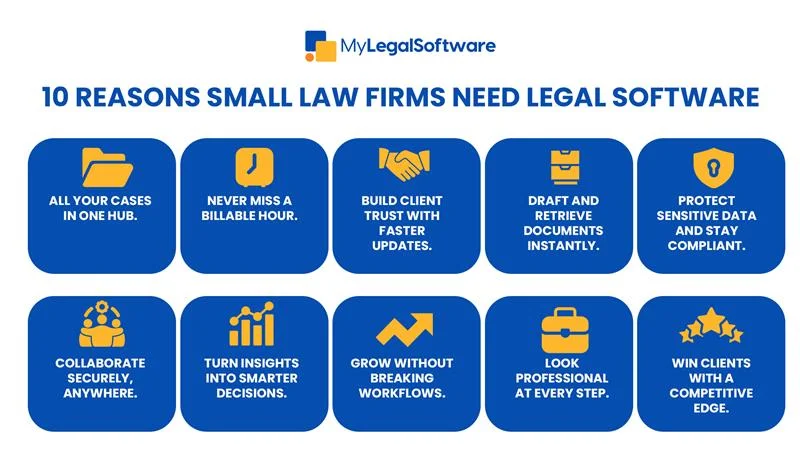
1. Centralized Case Management
If you’ve ever wasted time digging through old emails or rifling through paper files to find one missing attachment, you know how disorganized case management drains productivity.
Legal software for small law firms creates a central hub where every case detail lives. Documents, deadlines, emails, and notes are all stored in one secure place. Instead of relying on memory or outdated filing systems, you and your staff can quickly find what you need.
2. Better Time Tracking & Billing
Manual timesheets usually lead to missed billable hours and avoidable disputes with clients. With integrated timers and automated billing, legal software ensures every minute spent on a case is accounted for.
Invoices become cleaner, collections smoother, and revenue more predictable. For a small firm, this means you’re building client trust by showing clear, professional billing records.
3. Stronger Client Relationships
Clients expect frequent updates, fast responses, and clear communication. But with dozens of cases on your plate, it’s easy for you to forget critical follow-ups. That’s where legal client relationship management software for small law firms makes a difference.
By tracking calls, emails, and meetings in one system, you’ll never lose sight of a client’s needs. This transparency makes clients feel valued and builds trust, and trust is what keeps clients returning and referring others to your practice.
4. Streamlined Document Handling
Drafting, storing, and sharing legal documents is one of the most time-consuming parts of law practice. Misfile one document, and it could take hours to track down. With legal filing software for small law firms, you reduce that risk.
These systems make drafting faster with templates, ensure documents are properly stored, and allow you to retrieve them in seconds. Plus, sharing files securely with colleagues or clients becomes effortless, helping you project professionalism at every step.
5. Compliance & Data Security
Small firms are not immune to cyber risks. In fact, they’re often targeted precisely because they lack top-notch defenses. Legal software helps safeguard sensitive case files with encryption, secure logins, and access controls.
With legal hold software for small law firms, you can also preserve critical data in compliance with discovery rules and ethical obligations. Investing in data security doesn’t just protect you from breaches; it protects your reputation and maintains your clients’ trust.
6. Improved Collaboration
Whether your staff is in the same office or spread across different locations, collaboration becomes effortless with legal software. Team members can securely access case files, upload updates, and share notes in real time.
No more confusion over version control or endless email chains. Everyone stays aligned, and tasks move forward without delay. For small firms with lean teams, this streamlined teamwork can make the difference between staying on track and missing deadlines.
7. Data-Driven Decisions
Running a law firm involves more than practicing law; it’s managing a business. Many legal software platforms have reporting dashboards that break down caseloads, profits, and staff efficiency.
Instead of guessing where your firm is losing time or money, you can see the data clearly. These insights allow you to make smarter decisions, allocate resources effectively, and spot opportunities for growth. With real numbers guiding your strategy, your firm operates with confidence instead of guesswork.
8. Scalable Growth
Growth shouldn’t mean chaos. With legal software, you can add more cases, clients, or even staff without breaking your current workflow. Systems are designed to handle increasing demands while keeping everything organized.
For small law firms, this means you don’t have to overhaul your operations every time you expand. Instead, your technology scales with you, ensuring growth is sustainable, efficient, and free of unnecessary bottlenecks.
9. Professional Image
The way your firm presents itself matters as much as the results you deliver. Legal software helps you maintain a polished, professional image by ensuring client interactions are seamless.
Everything feels efficient and reliable, from accurate billing to timely updates and organized documentation. Clients notice these details. They see your professionalism not just in the courtroom but in how you handle their case behind the scenes. That consistent experience builds trust and trust builds loyalty.
10. Competitive Advantage
In a crowded legal market, small firms need every edge they can get. Relying on outdated systems slows you down and risks client satisfaction. Legal software positions you ahead of firms that still struggle with manual processes.
By delivering faster service, secure communication, and clear updates, you show clients that your firm is modern and reliable. That competitive advantage doesn’t just help you win cases; it helps you win and retain clients long-term.
Choosing the Right Legal Software for Small Law Firms
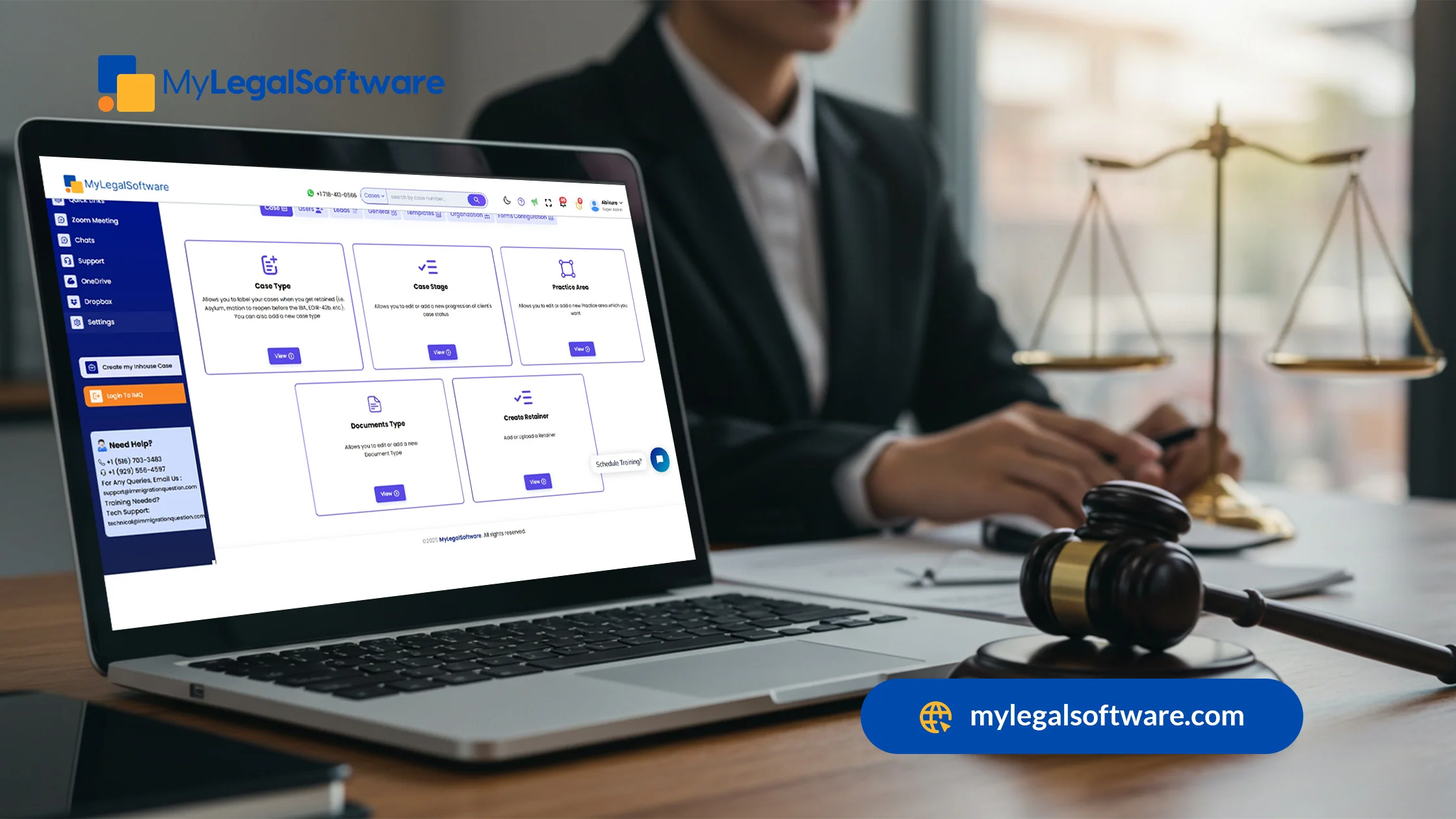
The right tool can transform your day-to-day operations, while the wrong one can become another expensive headache. As a small law firm, you need legal software that fits your unique size, budget, and workflow.
Here are 7 key factors to consider when making your choice:
- Ease of use: The system should be intuitive with minimal training required.
- Customization: It must adapt to your firm’s specific practice areas and processes.
- Integration: Look for compatibility with the tools and systems you already rely on, like email or accounting software.
- Cost vs value: Small firms can’t afford bloated systems — choose one that gives real ROI.
- Scalability: The platform should grow as your client base and caseload expand.
- Support & training: Ongoing help ensures your team gets the most out of the software.
- Security & compliance: Choose a tool that prioritizes protecting sensitive client data.
When you carefully evaluate based on these criteria, you’ll find legal software for small law firms that does more than automate tasks; it truly elevates your entire practice.
Why the Right System Helps You Thrive
At this point, it should be clear that investing in the right technology isn’t optional; it’s survival. Larger firms already leverage advanced platforms, but with the right legal software for small law firms, you can compete on an equal footing.
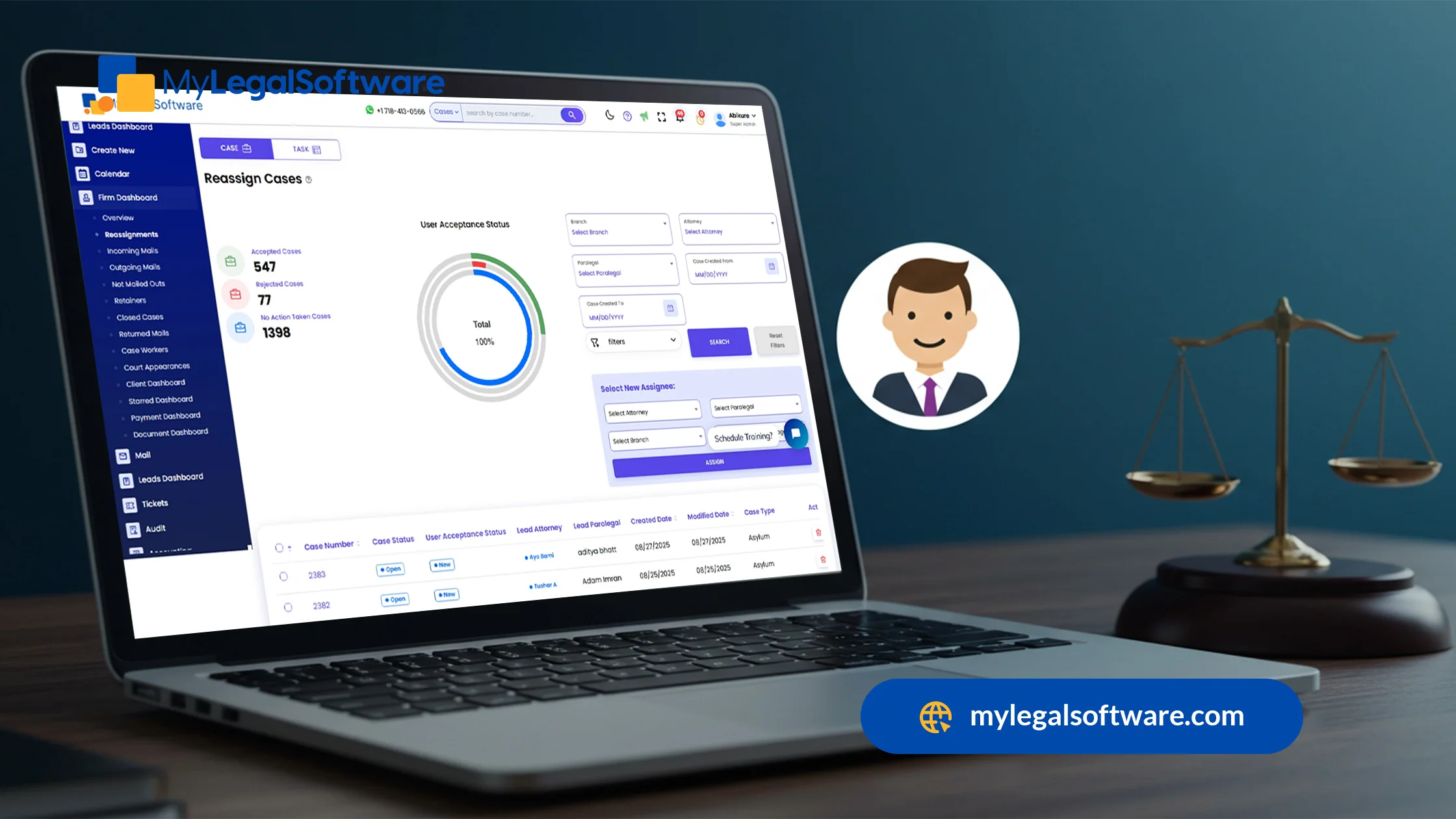
MyLegalSoftware is built with small and mid-sized firms in mind. It helps you manage cases seamlessly from first contact to resolution, while also supporting growth through features like lead generation and client relationship systems. You can try it risk-free for 14 days to see how it changes the way you work.
The firms that thrive tomorrow are the ones investing in smarter tools today. Don’t let outdated processes hold your practice back.
Frequently Asked Questions
-
Is legal software too expensive for a small practice?
-
Can legal software help with client relationship management?
-
How secure is legal software for handling sensitive case data?
-
What’s the difference between general business software and legal-specific software?
Not at all. Many platforms are designed with affordability in mind. In fact, the time you save on billing, document management, and compliance often offsets the cost quickly.
Yes, legal client relationship management software for small law firms lets you track conversations, follow up on inquiries, and maintain stronger connections with clients.
Security is a top priority. Reputable systems include encryption, secure servers, and legal hold software for small law firms to ensure compliance with ethical and regulatory requirements.
General tools handle tasks like emails and spreadsheets, but legal-specific systems are built around case management, compliance, and client confidentiality, the critical needs for law firms.